
Piezo Bone Surgery
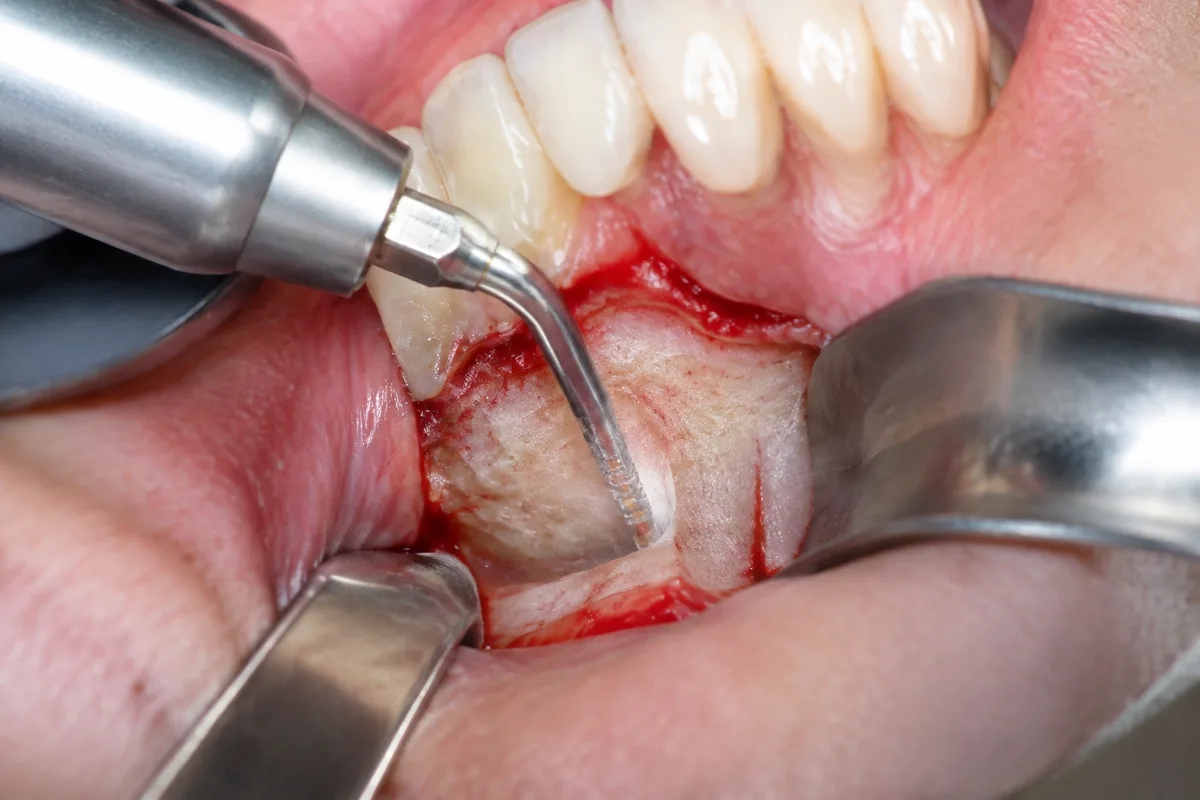
Piezo Bone Surgery
Piezo bone surgery uses ultrasonic vibration instead of a traditional rotary drill to cut and shape bone during grafting, implant placement, and other oral surgery procedures. At 1st Family Dental in Chicago, this technology supports the surgical and implant care provided by our team, working alongside 3D CT imaging and guided implant surgery to help plan and carry out bone-related procedures with precision.
What piezo Bone Surgery is
Piezo bone surgery, sometimes called ultrasonic bone surgery, relies on a handpiece that vibrates at a high frequency to cut mineralized bone tissue while leaving soft tissue such as nerves, blood vessels, and gum tissue largely untouched. This selective cutting action is the main difference between piezo instruments and older rotary burs or hand chisels, which cut through both hard and soft tissue in their path.
Because the instrument only engages bone, piezo surgery is commonly used for procedures where nearby soft tissue needs to be protected, such as sinus lift procedures, ridge splitting, bone grafting, and preparing sites for dental implants. The technique also tends to produce a cleaner cut with less mechanical stress on the surrounding bone, which is one reason it has become a standard tool in modern oral and implant surgery.
How we use it at 1st Family Dental
At 1st Family Dental, piezo bone surgery is used to gently shape bone during grafting and implant procedures, as part of the surgical toolkit that also includes 3D CT imaging for treatment planning and guided implant surgery for placing implants at a planned angle and depth. This combination allows the surgical plan to be mapped digitally before any bone is touched, and then carried out with instruments suited to the precision that plan calls for.
Bone grafting and implant surgery at our Chicago offices are performed by team members whose training includes these procedures. Dr. Shahram Raoof, a periodontist trained in sinus augmentation, connective tissue surgery, and guided tissue and bone regeneration, and Dr. John Hur, a board certified oral and maxillofacial surgeon trained in CT guided implant surgery and dentoalveolar procedures, are among the clinicians whose backgrounds cover this kind of bone-related surgical work. Piezo instrumentation is one part of how these procedures are carried out, alongside digital imaging and, where appropriate, implant placement services such as Implant in a Day or All-on-4 implant dentistry.
What it means for you
For patients, the main appeal of piezo bone surgery is the selective way it works. Because it is designed to act on bone rather than soft tissue, it can help limit unintended contact with nerves, blood vessels, and gum tissue during procedures like bone grafting or implant site preparation. Many patients also notice less vibration transferred to surrounding tissue compared with rotary instruments, which some find more comfortable during and after treatment.
The precise, controlled nature of the cutting can also support a smoother surgical experience overall, since the surgeon has fine control over how much bone is removed or shaped. Paired with 3D CT imaging, it allows the surgical plan and the surgical execution to line up closely, which is part of why this instrumentation is often chosen for implant and grafting cases rather than routine extractions.
What to expect during your visit
A visit involving piezo bone surgery typically begins with a consultation and imaging, often using 3D CT scanning, so the surgical or implant team can see the bone, nerve paths, and surrounding structures before treatment starts. This planning step helps determine exactly where and how the piezo instrument will be used.
On the day of the procedure, the treatment area is numbed with local anesthetic, and nitrous oxide sedation is available on site for patients who feel anxious about surgery. During the procedure, the piezo handpiece is used to shape or remove bone as needed for grafting or implant placement; because it targets bone selectively, the surrounding gum tissue is generally spared from the direct cutting action. Procedure length varies with the complexity of the case, from a single site graft to a more involved implant preparation. Afterward, your dentist will review post-operative care, including any swelling or tenderness to expect as the area heals.
Frequently asked questions
Is piezo bone surgery safe?
Piezo bone surgery is a widely used surgical technique that is designed to cut bone while sparing nearby soft tissue such as nerves and blood vessels. As with any surgical procedure, your dentist will review your health history and the treatment plan with you beforehand so the approach fits your specific situation.
Will I feel anything during the procedure?
The treatment site is numbed with local anesthetic before the piezo instrument is used, and nitrous oxide sedation is available for patients who would like additional relaxation. Many patients describe feeling pressure or vibration rather than pain during the procedure itself.
How long does a piezo bone surgery procedure take?
The time needed depends on the procedure it supports, such as a bone graft or implant site preparation, and on the extent of bone involved. Your dentist can give you a more specific estimate once your 3D imaging and treatment plan are complete.
Who is piezo bone surgery suitable for?
Piezo bone surgery is generally considered for patients who need bone shaping as part of grafting, implant placement, or related oral surgery. Whether it is the right approach for you depends on your specific anatomy and treatment goals, which your dentist will evaluate during your consultation.
If you would like to learn more about piezo bone surgery or find out whether it applies to your treatment plan, reach out to 1st Family Dental to schedule a consultation.